made to measure blinds - Repairs - Cleaning & Servicing blinds - free consultation -
*
made to measure blinds - Repairs - Cleaning & Servicing blinds - free consultation - *
Repairs and cleaning to Venetian Blinds
Common signs of damage to Venetian blinds include:
-
Window blinds have bent, cracked, or missing slats that affect their appearance and proper operation. The damage reduces light control and privacy and may interfere with the blind's ability to open, close, or tilt correctly.
-
The blind has damaged or broken lift cords, resulting in uneven raising and lowering of the window covering. This condition impairs normal operation, may place additional strain on the remaining components, and can lead to further mechanical failure if left unaddressed
-
The blind has a damaged or malfunctioning tilt mechanism that prevents the slats from opening, closing, or adjusting properly. This condition reduces light control and privacy and affects the overall functionality of the window covering
-
The blind does not raise or lower smoothly due to a malfunction in the lift mechanism or related components. This condition limits normal operation, reduces functionality, and may worsen with continued use
-
The blind has frayed or worn ladder tapes or cord supports that no longer provide adequate support and alignment for the slats. This condition can result in uneven operation, reduced functionality, and increased risk of further damage
If you're looking to identify a specific problem with your any blinds, you can upload a photo and send it to d12blinds@hotmail.com and we will be happy to help
Repairing and cleaning your blinds can be a more cost-effective option than purchasing new ones
-
If the fabric is in good condition, it can often be removed from the tube and reattached to create a different roll direction. This may require replacing the adhesive tape that secures the fabric to the roller tube
-
If your goal is a fresh look, many roller blind systems allow the old fabric to be removed while keeping the existing brackets and mechanism, which is often more effective than reversing the fabric
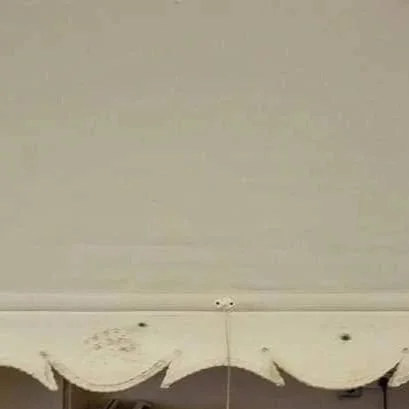
BEFORE
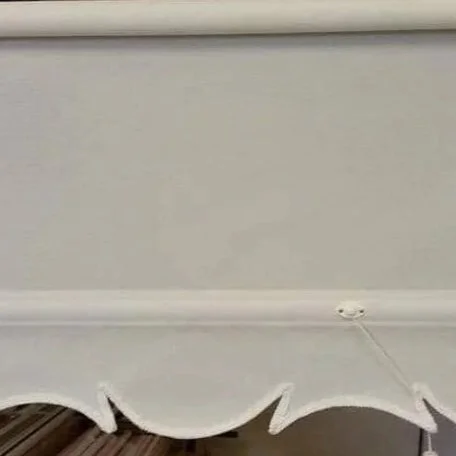
AFTER
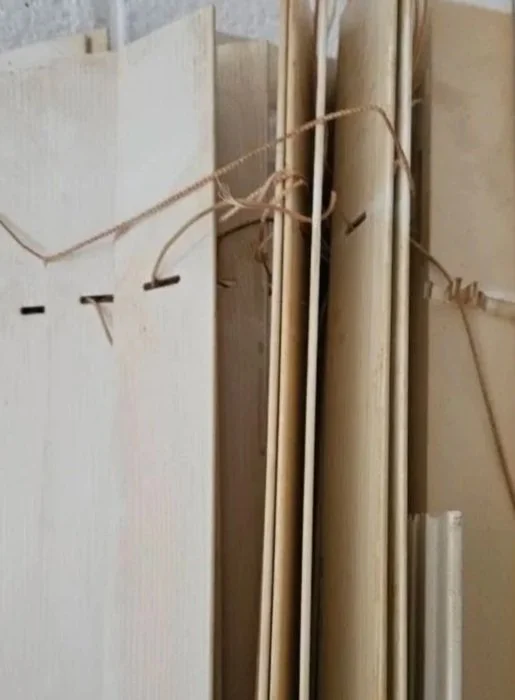
BEFORE
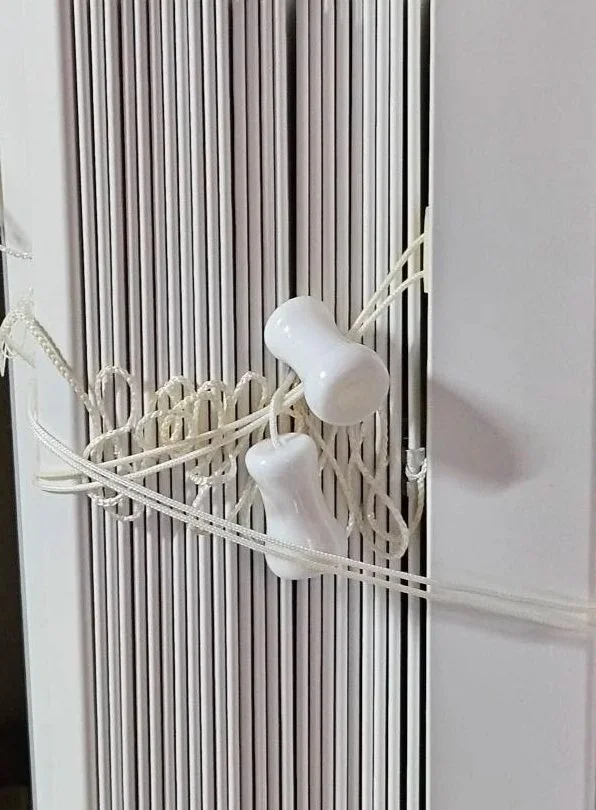
AFTER